
Advanced Orthodontic Care with 3D Technology
Experience a more precise, comfortable, and personalized orthodontic journey through advanced 3D imaging and digital treatment technology designed to improve diagnostics, planning, and results.
Technology, Imaging, & Treatment
At Atique Orthodontics, we combine advanced imaging, digital workflows, and proven treatment systems to deliver precise diagnosis, efficient treatment, and better long-term outcomes.
Diagnostic Technology: Seeing Beyond the Teeth
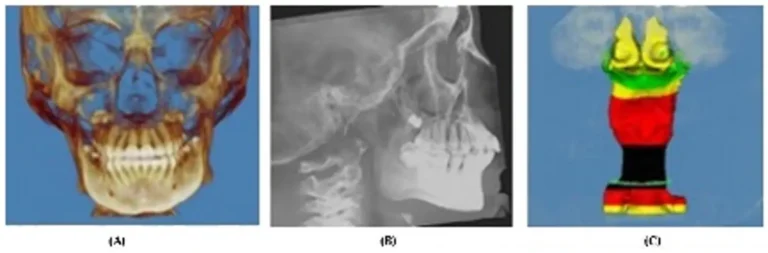
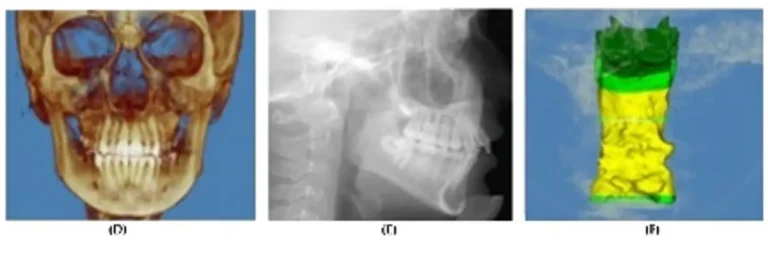
Cone Beam CT (CBCT – 3D Imaging)
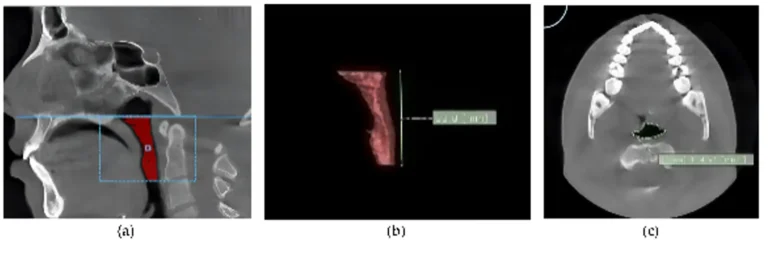
We utilize ultra-low dose Cone Beam Computed Tomography (CBCT) to evaluate structures in three dimensions—not just teeth, but the entire craniofacial system.
- Full 3D visualization of jaws, teeth, and airway
- Ability to assess impacted teeth, bone boundaries, and asymmetries
- Airway evaluation as part of comprehensive diagnosis
- Immediate in-office imaging (no referrals or delays)
Our office specifically uses a Planmeca Viso CBCT system, allowing highly detailed imaging with reduced radiation exposure.
This allows more accurate diagnosis and better treatment planning from day one.

Digital Workflow: Precision Without Impressions
3D Intraoral Scanning (iTero)
Children are still growing, which means we have an opportunity to guide development rather than just correct problems later.
Sleep-disordered breathing in children has been associated with:
- Altered facial growth patterns
- Behavioral or attention challenges
- Poor sleep quality and daytime fatigue
In many cases, airway concerns and orthodontic findings are closely connected.
3D-Printed Appliances (Lab-Fabricated)
Modern orthodontics increasingly relies on digital design and advanced fabrication techniques to create appliances that are more accurate, consistent, and customized to each patient.
At Atique Orthodontics, many appliances are:
- Designed using digital models derived from intraoral scans and, when appropriate, CBCT data
- Fabricated by reputable orthodontic laboratories that specialize in CAD/CAM and 3D printing technologies
- Delivered with a level of precision that is difficult to achieve with traditional, fully manual techniques
What This Means Clinically
Digital design allows for a more controlled and intentional approach to appliance fabrication:
- Improved fit and seating
Appliances are based on highly accurate 3D models, reducing variability and the need for adjustments - Greater consistency
Digital workflows reduce distortions associated with traditional impressions, stone models, and manual fabrication - Customization to the individual patient
Each appliance is designed based on the patient’s anatomy, treatment goals, and stage of development